

Traveling offers an unmatched opportunity to explore new cultures, unwind from routine, and gain fresh perspectives. However, the unpredictability of unfamiliar transit systems, varying local customs, and logistical hurdles can quickly transform an exciting journey into a stressful ordeal. True travel mastery is not merely about reaching a destination; it is about cultivating an approach that balances physical safety with personal comfort.
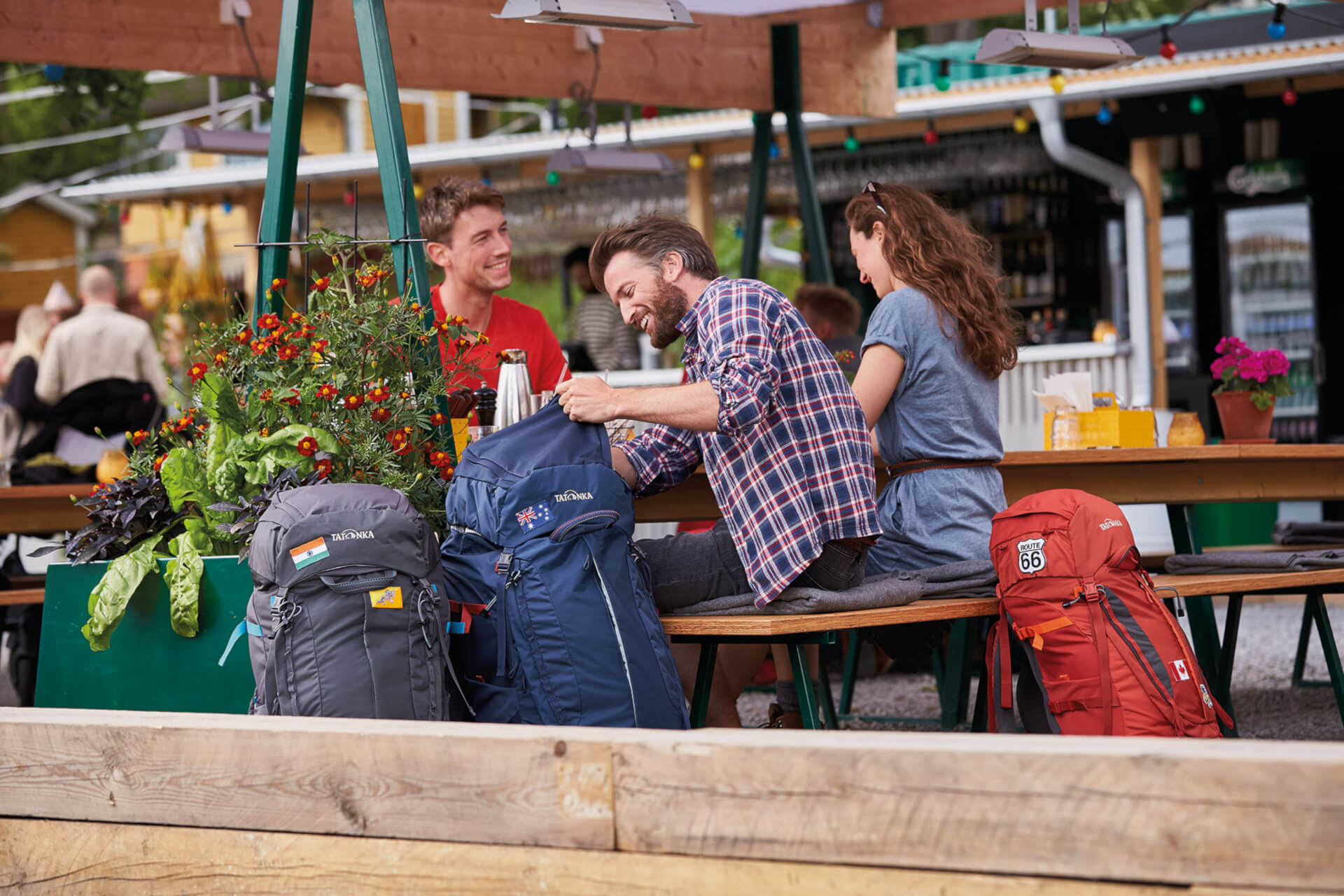
By implementing strategic preparation habits, leveraging practical security measures, and prioritizing physical well-being, you can ensure that every trip remains both secure and rejuvenating.
Essential Strategies for Digital and Physical Security
Maintaining personal safety on the road begins well before stepping onto a plane or entering a new city. Today’s travel environment requires a dual focus on both physical security and digital data protection.
Securing Your Personal Documentation
Loss or theft of crucial identification documents can immediately halt a journey. Mitigate this risk by creating encrypted digital backups of your passport, driver’s license, visa approvals, and travel insurance policies. Store these copies on a secure cloud storage service that offers offline access. Additionally, keep printed hard copies stored separately from your primary wallet or daypack.
Safeguarding Financial Assets
Relying on a single payment method leaves you vulnerable to emergency card freezes or unexpected fraud alerts. Diversify your financial tools by carrying two separate credit or debit cards, issued by different financial institutions, and store them in separate locations within your luggage. Always notify your bank of upcoming international travel dates to prevent automated fraud blocks on legitimate purchases.
Protecting Your Digital Footprint
Connecting to unencrypted public Wi-Fi networks at airports, train stations, or cafes creates a major vulnerability for identity theft and credential interception. Always use a reputable Virtual Private Network (VPN) when browsing on public connections. A VPN encrypts your online traffic, ensuring that financial transactions and personal communications remain private.
Smart Packing Tactics for Maximum Physical Comfort
Comfort during travel is heavily dictated by how intelligently you pack rather than how much you bring. The burden of heavy, disorganized luggage generates unnecessary physical strain and mental stress.
The Power of Modular Packing Systems
Using compression packing cubes or modular organizers transforms your suitcase from a chaotic clutter into an organized system. Grouping items by category—such as clothing, electronics, and toiletries—allows you to locate necessities instantly without unpacking your entire bag. This organization minimizes transit time in airport security lines and keeps your living space tidy throughout your stay.
Choosing Ergonomic and Functional Attire
Long-haul flights and extended walking tours demand clothing selected for utility and physical ease. Opt for breathable, moisture-wicking fabrics with stretch capabilities. Dressing in layers allows you to adjust seamlessly to changing cabin temperatures or unpredictable climate conditions upon arrival. Furthermore, invest in high-quality, pre-broken-in footwear with proper arch support; uncomfortable shoes are often the primary cause of fatigue during sight-seeing.
Health Maintenance and Ergonomics on the Move
Long periods of transit inherently strain the human body through prolonged sitting, irregular meal times, and dry cabin environments. Maintaining basic wellness routines is vital to enjoying your trip to the fullest.
Hydration and Nutrition Management
Airplane cabins feature extremely low humidity levels, which can lead to headaches, dry skin, and lethargy. Carry a reusable, insulated water bottle and refill it once you pass through airport security checkpoints. Limit excessive caffeine and alcohol consumption during transit, as both accelerate dehydration. Additionally, packing nutritious snacks—such as nuts, dried fruit, or protein bars—ensures you maintain stable energy levels without relying exclusively on processed airport food.
Combating Transit Stiffness and Fatigue
Sitting motionless for long hours increases the risk of muscle stiffness and deep vein thrombosis (DVT). During long flights or train journeys, make a point to stand up, stretch, and walk down the aisle every two hours. While seated, perform simple ankle rotations, foot pumps, and seated leg raises to maintain healthy circulation.
Cultivating Situational Awareness and Local Etiquette
Safety and comfort often extend beyond physical gear; they rely heavily on how you perceive and interact with your surrounding environment.
Practicing Low-Profile Travel
Blending in with local surroundings minimizes the likelihood of being targeted by petty thieves or scam artists. Avoid displaying expensive jewelry, high-end electronics, or large amounts of cash in crowded public areas. When checking directions on your phone, step inside a store or stand against a wall rather than stopping in the middle of a busy sidewalk.
Respecting Cultural Norms
A comfortable trip involves positive, respectful interactions with local communities. Research local etiquette, dress codes, tipping customs, and basic phrases prior to arrival. Exhibiting cultural sensitivity fosters warm hospitality from locals and prevents awkward social misunderstandings.
Conclusion
Traveling safely and comfortably does not require elaborate gear or rigid scheduling. Instead, it relies on deliberate preparation, practical safety protocols, smart packing habits, and mindful health management. By protecting your personal data, maintaining physical wellness, organizing your belongings efficiently, and navigating new environments with situational awareness, you eliminate unnecessary friction from your journey. Embracing these strategies allows you to shift your focus away from travel logistics and fully immerse yourself in the rich experiences that make travel so deeply rewarding.