

The retail landscape has undergone a monumental shift over the past decade, and nowhere is this evolution more palpable than inside the modern beauty shop. What used to be a simple transaction counter—where customers walked in, picked up a standard tub of cold cream or a generic lipstick shade, and left—has transformed into an immersive sanctuary of self-care, technology, and identity.
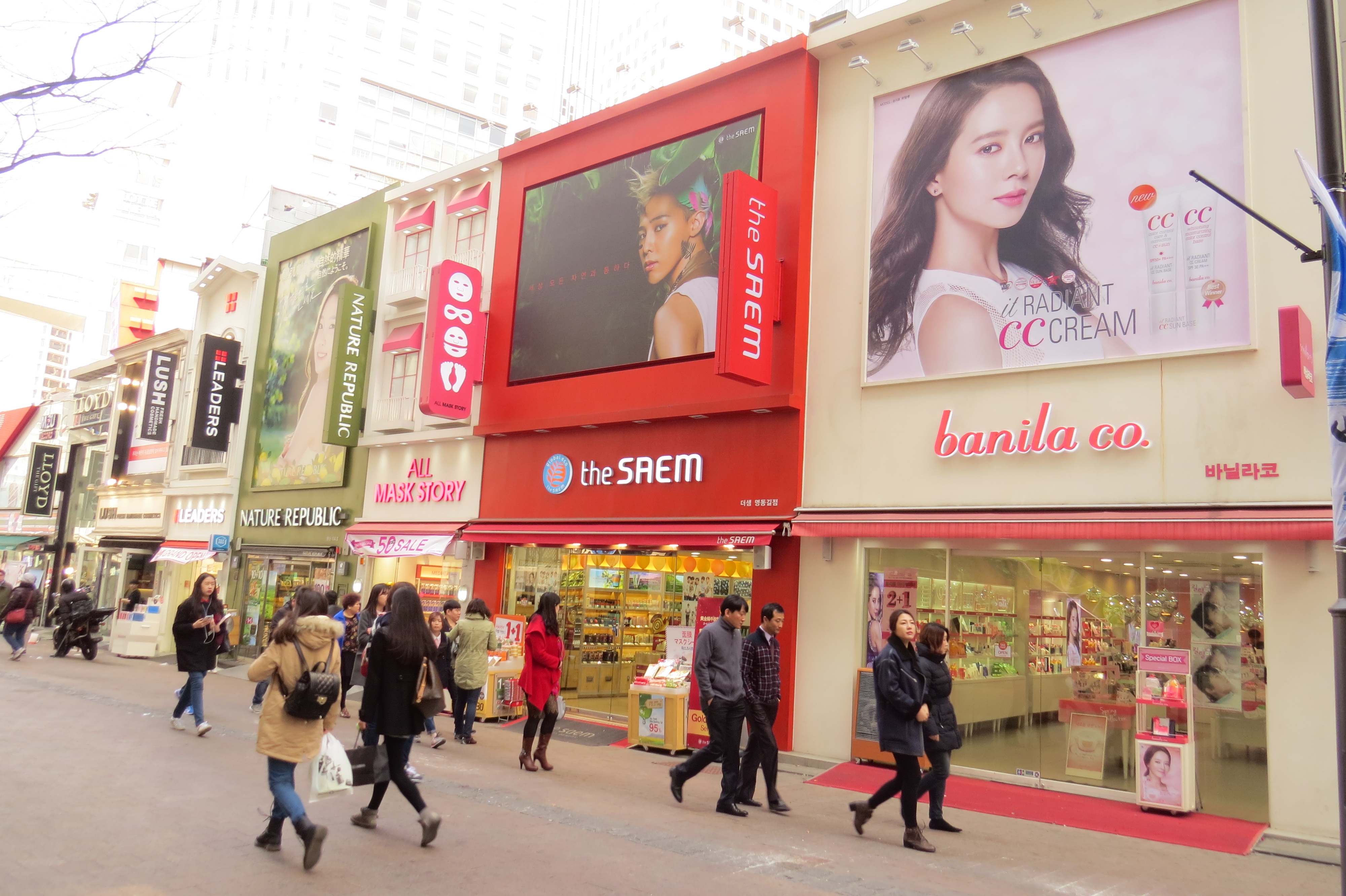
Today’s beauty shop is no longer just a destination for aesthetic enhancements. It operates as an educational hub, a community space, and an experiential sanctuary that reflects changing cultural values around wellness, sustainability, and personal expression.
The Evolution from Product Sellers to Experience Hubs
Historically, beauty retail focused almost exclusively on fixed physical ideals. Brands dictated what constituted beauty, and shops functioned primarily as distribution channels. Sales representatives pushed specific products based on aggressive targets rather than individual needs.
In the contemporary landscape, this dynamic has completely flipped. Modern consumers enter a beauty shop seeking hyper-personalized guidance, authentic brand stories, and meaningful experiences. The modern store layout mirrors this transition. High-intensity artificial lighting and cramped aisles have given way to open, airy designs featuring natural light, interactive testing stations, and tranquil lounge areas.
Beauty shops now prioritize tactile engagement. Customers are encouraged to sample textures, test shade matches under varied lighting conditions, and consult with knowledgeable staff trained in skin physiology rather than high-pressure sales tactics. This transition from hard-selling to consultative guidance has elevated the physical storefront into an inviting space for exploration.
Personalization Through Clean Tech and Skin Science
One of the most distinct hallmarks of the contemporary beauty store is the integration of science and technology without losing the human touch. The modern customer is remarkably well-informed. Terms like niacinamide, hyaluronic acid, barrier repair, and squalane are part of everyday vocabulary.
To meet this sophisticated consumer base, progressive beauty shops have adopted advanced diagnostic tools. It is now common to find high-tech skin analysis scanners that measure hydration levels, elasticity, and UV damage beneath the epidermis. Instead of guessing which moisturizer might work, shoppers receive data-driven recommendations tailored specifically to their biological profile.
Simultaneously, the “clean beauty” movement has demanded complete transparency regarding ingredients. Innovative beauty shops curate their shelves around clean formulations, ethical sourcing, and cruelty-free practices. By acting as strict gatekeepers, these retailers build deep trust with their clientele, saving consumers hours of researching ingredient lists on their own.
Sustainability as a Core Architectural Principle
As consumer awareness surrounding environmental impact grows, the beauty industry’s reliance on single-use plastics and non-recyclable packaging has faced intense scrutiny. Forward-thinking beauty shops are leading the charge in solving this challenge through circular retail practices.
Instead of offering only traditional pre-packaged bottles, modern stores increasingly feature refill stations for everyday staples like cleansers, body washes, and toners. Customers can bring back their original glass or aluminum containers, reducing waste and receiving a slight discount on their purchases.
Furthermore, physical store designs are incorporating sustainable architecture. From reclaimed timber fixtures to energy-efficient LED lighting and zero-VOC interior paints, the commitment to eco-conscious practices extends to every square inch of the shop floor. By aligning their physical presence with environmental stewardship, beauty retailers demonstrate that aesthetics and responsibility can seamlessly coexist.
Inclusivity as the Fundamental Baseline
For decades, the beauty industry excluded broad segments of the population by offering limited shade ranges and catering to narrow demographic groups. The contemporary beauty shop actively dismantles these legacy boundaries.
Inclusivity today goes far beyond stocking a diverse spectrum of foundation shades. It permeates every aspect of the retail strategy:
- Curating products specifically formulated for varied skin tones, hair textures, and age groups.
- Designing store environments that are physically accessible, sensory-friendly, and welcoming to all gender identities.
- Featuring independent, minority-owned, and local brands alongside established global names.
When a beauty shop embraces true inclusivity, it transforms from a mere commercial enterprise into a safe, empowering space where every individual feels seen, valued, and represented.
Conclusion
The modern beauty shop has successfully transcended its legacy role as a simple cosmetic store. By seamlessly blending skin science, environmental sustainability, personalized technology, and deep inclusivity, these spaces have reinvented their purpose for the contemporary age. They serve as modern community hubs where personal care meets conscious consumption. As consumer priorities continue to favor authenticity and personal well-being over rigid beauty standards, the beauty shop will undoubtedly remain a crucial, evolving cornerstone of everyday lifestyle and culture.